Europe | Politics & Geopolitics | UK
Europe | Politics & Geopolitics | UK
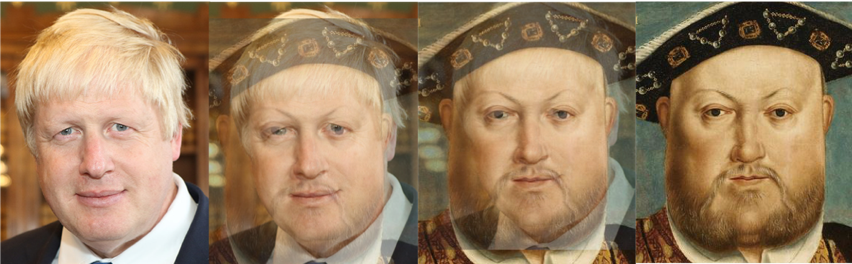
Boris Johnson clearly sees himself as a modern day Winston Churchill. In his biography of the World War Two Prime Minister, Johnson was not averse to moulding the Churchill story to address accusations against himself. He wrote that Churchill ‘wasn’t what people thought of as a man of principle: he was a glory-chasing, goal-mouth-hanging opportunist’. Sound familiar? While Johnson may feel comfortable in the clothes of Churchill, the better fit may actually be those of Henry VIII.
This article is only available to Macro Hive subscribers. Sign-up to receive world-class macro analysis with a daily curated newsletter, podcast, original content from award-winning researchers, cross market strategy, equity insights, trade ideas, crypto flow frameworks, academic paper summaries, explanation and analysis of market-moving events, community investor chat room, and more.
Spring sale - Prime Membership only £3 for 3 months! Get trade ideas and macro insights now
Your subscription has been successfully canceled.
Discount Applied - Your subscription has now updated with Coupon and from next payment Discount will be applied.
Great article and an interesting historical parallel. My good friend and former colleague John Nugée has made similar observations, suggesting that there was not one by three historic occasions when Britain broke away from the Continent. Below is a quote from his recent piece on http://www.laburnum-consulting.co.uk :
“Britain has sundered its relationship with the Continent on a number of occasions in the past – King Henry VIII’s break in 1536-39 with the Catholic Church, then the epitome of Christendom and civilisation; King John’s loss at the Battle of Bouvines in 1214 of England’s continental Angevin empire; even the departure in 407-410 of the Roman legions which signified the end of Roman rule in Britannia. Each of them broke the link between the island of Britain and a richer, more powerful continent. But in each case Britain survived the break, and in each case it eventually prospered.“
Hi Andrew, I didn’t know about the two earlier breaks. Will look into them. Thanks for reference! Bilal