Subscribe

Hive Videos / The Week Aheadsee more…

The Week Ahead: Is the Fed Recalibration Past Its Sell Date?

Macro Hive

Dominique and Antonio explore expectations for upcoming Federal Reserve policy alongside the economic and geopolitical implications of sticky inflation, upcoming midterm elections, and Middle East tensions. They analyse the unusual conundrum of persistent inflation occurring alongside wage disinflation and an ongoing productivity boom, as well as consumer resilience supported by stock market wealth effects and falling savings rates despite contracting real incomes. While the Fed is expected to remain on hold next week as it pursues a gradual "recalibration," focus shifts to whether persistent price pressures will prompt a 25-basis-point rate hike in December and a dot plot projecting further tightening next year. Dominique notes that potential congressional flips will not immediately constrain executive foreign policy in the Middle East, and he maintains that US economic resilience is likely to persist over the next couple of quarters.
  1. The Week Ahead: Warsh Said Nothing, Markets Heard Everything

    Macro Hive

    Ben and Dominique explore the recent strong US CPI and PPI prints, driven by supply chain pressures and volatile components like energy-sensitive services and hotel prices. They analyse the policy dilemma of sticky inflation alongside wage disinflation, suggesting business markups and corporate market concentration—rather than the labour market—may be sustaining price pressures. While the Fed is expected to proceed cautiously to avoid triggering an unnecessary recession, focus shifts to a growing consensus for more hikes, even among the most dovish FOMC members such as Mary Daly. Dominique notes that retail sales figures reflect negative real wage growth for consumers and maintains a base case forecast of just one final rate hike in December.

  2. The Week Ahead: Warsh’s Midnight Market Test

    Macro Hive

    Ben and Dominique evaluate the Federal Reserve’s policy outlook, pointing to recent Fed speeches and FOMC minutes that signal the central bank will keep rates on hold in October. They analyse upcoming economic data, highlighting a growing disconnect between headline and core CPI due to limited energy pass-through, explaining why PPI gains will not alter Fed policy, and noting how real wage contraction continues to weigh on retail sales and consumer spending. While the Fed remains cautious about aggressive rate hikes, focus shifts to upcoming Fed commentary for signs that confidence in medium-term growth may be cooling. Dominique notes that moderating optimism around the AI boom and shifting midterm election odds—where prediction markets favour a House flip—could further temper Fed hawkishness.

  3. The Week Ahead: Minutes and Midterms

    Macro Hive

    Ben and Dominique review recent US economic data, Fed policy expectations, and the upcoming midterm elections. They analyse PCE revisions showing slow disinflation and more sustainable consumer growth alongside ISM prints and softer payroll numbers, noting that labour market dynamics are currently supply-driven by immigration enforcement trends. While Fed speakers push back against an October rate hike to avoid yield curve inversion, focus shifts to the upcoming FOMC minutes for insight into internal board disagreements over neutral rates and inflation dynamics. Dominique also assesses the midterms, noting that while prediction markets favour Congress turning blue—reducing fiscal slippage risks—broader fiscal consolidation remains off the table.

  1. The Week Ahead: PCE Revisions, Is the Fed Singing Off-Key?

    Macro Hive

    Ben and Dominique examine the tension between market pricing for Fed rate hikes and economic realities, warning that pushing additional rate increases could invert the yield curve and signal an impending recession. They analyse upcoming PCE data revisions expected to lower core inflation, arguing that sticky services costs stem from structural factors like a lack of corporate competition rather than labour market pressures. While consumer spending remains solid, Dominique highlights that it is being sustained by a declining savings rate rather than strong real income growth, though full employment allows the Fed to maintain its policy recalibration. Looking ahead to non-farm payrolls and a heavy slate of upcoming Fed speakers, Dominique notes that productivity-adjusted wage growth should keep the labour market non-inflationary.

  2. The Week Ahead: Just a Little Fed Recalibration

    Macro Hive

    Ben and Dominique examine the FOMC’s updated growth outlook and policy stance following the recent Fed meeting. They analyse the resilience in household spending alongside recent supply shocks, with Dominique framing the Fed's actions as a policy recalibration rather than a full-fledged tightening cycle. While financial markets priced in three rate hikes following Chair Walsh’s presser on disinflation concerns, attention shifts to whether headline energy pressures will lead to broader second-round effects. Dominique argues that market expectations are overly hawkish, pointing to slowing wage growth and weak worker bargaining power to project a limit of two hikes.

  3. Bloomberg TV Interview: Bilal Hafeez on OpenAI’s Astra Model, 5% US 10-Year Yields, and ECB Hikes

    Macro Hive

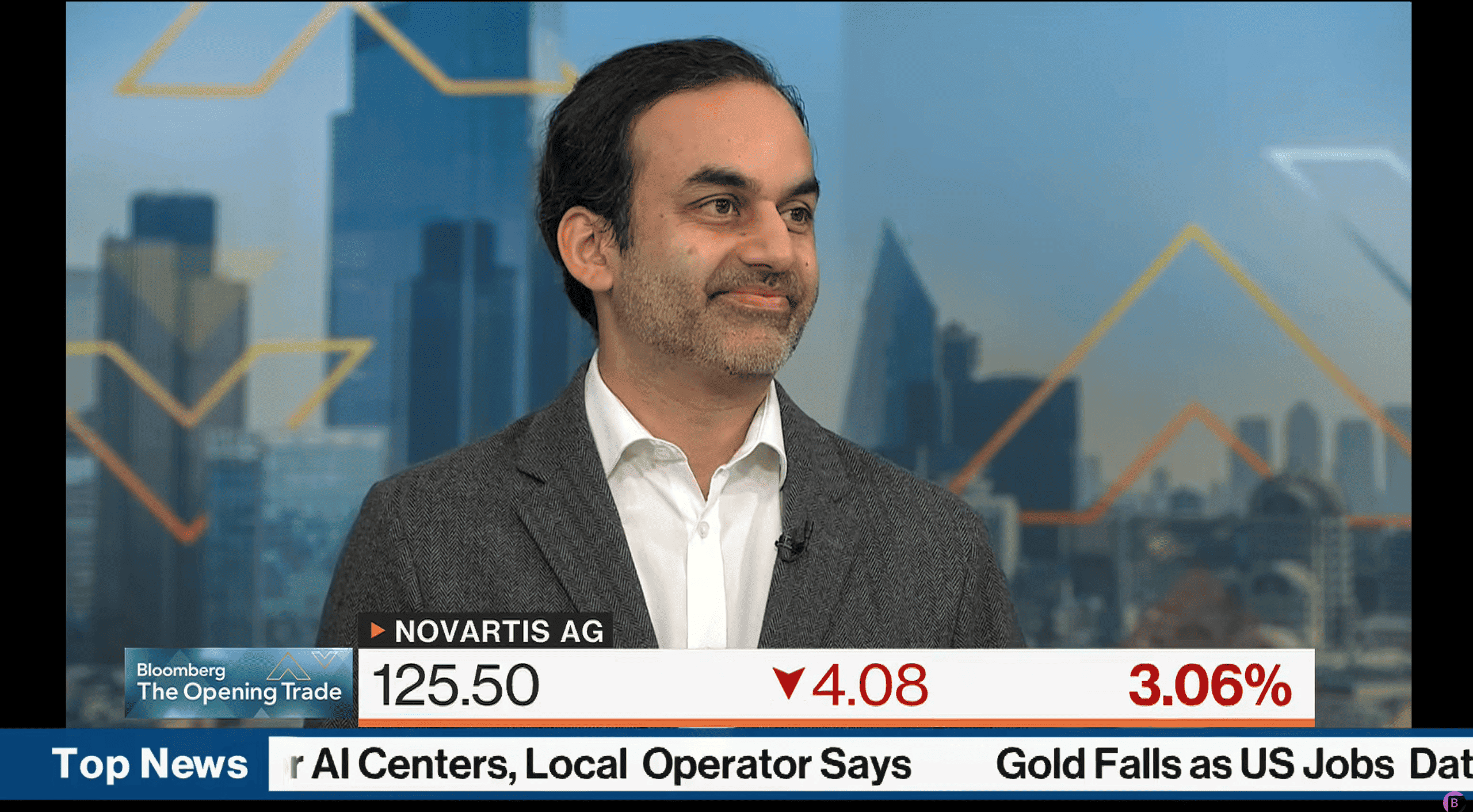
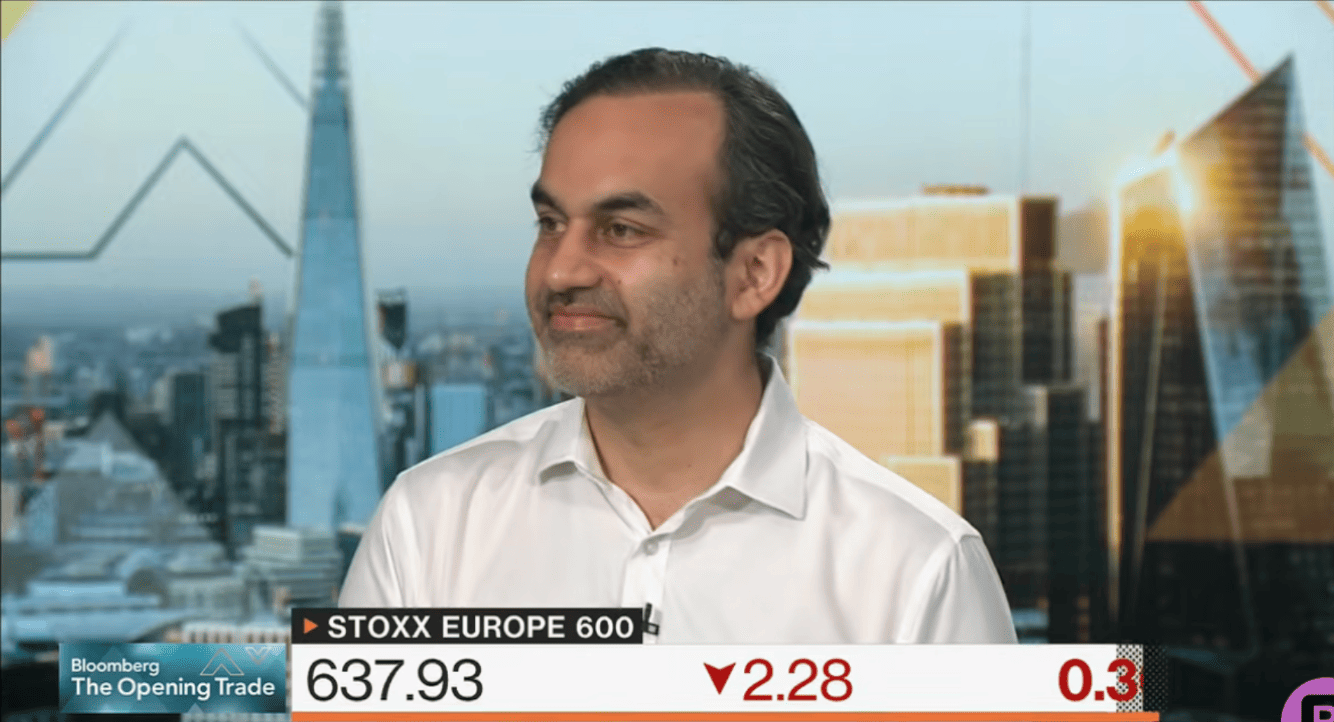
    In his latest Bloomberg TV interview, Bilal Hafeez gives his take on OpenAI’s impressive "Astro" model upgrade, why the Fed will likely stay on hold at its next meeting, the very real possibility of US 10-year yields hitting 5%, widening French fiscal risks, and more!

The Week Ahead: NFP to CPI: Your Move—and It Looks Like a Hold

Macro Hive

Antonio and Dominique discuss the strong US jobs report, noting that while the economy remains at full employment, slowing wage growth suggests the labour market is not driving inflationary pressures. They look ahead to CPI and upcoming PCE revisions, arguing that the Cleveland Fed’s trimmed-mean and median CPI measures provide a better read on underlying inflation than standard core measures. While Governor Waller has made his support for a hold conditional on CPI, they see the bar as favouring a hold and expect the Fed to remain on hold this month.

The Week Ahead: Warsh and Peace (With the Critics)

Macro Hive

Ben and Dominique evaluate the policy implications of the latest PCE inflation print and Fed Chair Warsh's surprisingly hawkish speech at Jackson Hole. They analyse the divergence between PCE and CPI disinflation, highlighting how portfolio management fee computations and index-weighting differences make for slower PCE than CPI disinflation. While Warsh’s assessment of the economy and financial conditions hint at a potential rate hike, they identify Fed Governor Waller’s upcoming speech as the critical catalyst that could seal a September decision.

  1. The Week Ahead: Can Bessent Tame the Fiscal Beast?

    Macro Hive

    Ben and Dominique explore the incremental shifts toward greater disinflation optimism in the Fed minutes and the skepticism surrounding the Treasury's limited options for fiscal consolidation. They analyse the minimal impact of Treasury Secretary Bessant's doubled bond buybacks against a persistent 6% budget deficit, noting that lower yields will require genuine fiscal discipline rather than market messaging. While core PCE is expected to print at a consensus 22 basis points, focus shifts to Jackson Hole, where Chair Warsh is anticipated to maintain his strict 'no guidance' policy while outlining a long-term vision for Fed modernisation. Dominique notes that flat consumer spending is unlikely to alarm the Fed as long as Okun's law remains stable and the data points at a stable unemployment rate.

  2. The Week Ahead: FOMC Minutes to Spill Fed’s Beans

    Macro Hive

    Dominique and Ben review a busy week of economic data, exploring the specific supply shocks driving core goods and the implications of a major miss in retail sales. They analyse the relationship between slowing consumer income and labour supply, suggesting the Fed will maintain its focus on the unemployment rate rather than volatile, "noisy" consumption prints. While recent disinflation supports the doves for September, focus shifts to the upcoming FOMC minutes and reports that Chair Walsh may reduce the frequency of policy meetings to distance the Fed from "spurious" forward guidance. Dominique notes that the current data adjudicates in favour of the doves for the near term but maintains that hawks still see a need for a "risk management" hike to prevent a repeat of 2022.

  3. Bloomberg TV Interview: Bilal Hafeez on AI Rebound, Fed Policy, and Japanese Yields

    Macro Hive

    In his latest Bloomberg TV interview, Bilal Hafeez gives his take on the ongoing AI revolution, why Japanese yields are mispriced, the persistence of the carry trade, a potential grind higher for EUR/USD, and more!

The Week Ahead: Dovish Data Drops Incoming?

Macro Hive

Ben and Dominique explore the “brittle” state of the US labour market, which Dominique describes as a “low-hire, low-fire” economy currently balancing on a precarious edge. They analyse how declining participation among older workers and contracting real wages are tempering inflationary pressures, providing justification for the Federal Reserve to remain on hold. As they look toward next week’s CPI and retail sales data, focus shifts to whether a string of low inflation prints could sway "swing voters" or hawkish FOMC members like Kashkari and Hammock. Dominique notes that weakening consumption and real income may eventually highlight deep-seated economic fragilities, and she currently places a 60% probability on the Fed staying on hold for the remainder of the year.

The Week Ahead: Will the Great Labour Market Freeze Begin to Melt?

Macro Hive

Ben and Dominique explore the growing “risk management” divide within the FOMC, contrasting hawks who fear a high-inflation regime with doves who believe policy is restrictive enough to wait for more data. They analyse the impact of AI on inflation—with Dominique arguing it acts as a cost-side supply shock rather than a demand driver—and suggest that rising real incomes are finally providing a sustainable foundation for US consumption. As focus shifts to upcoming labour market churn and the critique of "Wash’s" lack of a macro framework in recent communications, the discussion highlights the challenges of the Fed's "no forward guidance" strategy. Dominique aligns herself with the Fed's dovish wing, maintaining that low wage bargaining power relative to productivity will support continued disinflation, though she acknowledges "insurance hikes" remain possible if progress stalls.

  1. The Week Ahead: Warsh Still Won’t Spill the Beans

    Macro Hive

    Ben and Dominique explore the likelihood of a protracted conflict with Iran, noting that cognitive biases and domestic political pressures suggest a multi-year duration. They evaluate the budgetary costs of war, suggesting a limited campaign remains manageable while a full-scale invasion remains unlikely due to rising unpopularity among voters. Regarding the Federal Reserve, Dominique expects Chair Walsh to remain on hold in July, avoiding forward guidance while monitoring $100-per-barrel oil prices and the wide gap between wage growth and productivity. While markets price in a September hike, Dominique argues the decision will be strictly data-driven, though potentially complicated by the approaching midterms. Finally, they analyse the shift toward more legally durable tariffs under Section 301, concluding that while China remains a focus for excess capacity, the high political cost of aggressive tariffs will likely limit their implementation as the US economy seeks a "goldilocks" landing.

  2. The Week Ahead: CPI Miss Is Not a One-Hit Wonder

    Macro Hive

    Ben and Dominique analyse the recent broad CPI miss, suggesting it reflects a "payback" for previous overstatements of inflation rather than a persistent trend. They examine how cooling labour costs and a soft labour market support continued disinflation, even as the economy digests recent supply shocks. The conversation shifts to Governor Walsh’s evolving views on AI-driven productivity and his potential to spearhead structural reforms to the Fed’s "inefficient" balance sheet and reserve framework. While Dominique expects the Fed to remain on hold for the rest of the year, she assigns a one-third probability to a rate hike while noting that only a systemic shock, such as a bursting AI bubble, would likely trigger a cut.

  3. The Week Ahead: Show and Tell for Warsh

    Macro Hive

    Dominique and Antonio examine the Federal Reserve's likely trajectory under Chair Walsh, with Dominique forecasting that the Fed will remain on hold for the remainder of the year. They analyse slowing wage growth, improving trade balances, and falling energy prices as evidence against economic overheating, despite a hawkish faction within the FOMC that recently pushed for a rate hike. The discussion highlights Walsh’s shift away from Powell-era consensus-building toward a “good family fights” model, which empowers individual members and potentially tilts the Fed's reaction function toward more hawkish outcomes. As focus turns to the upcoming CPI report and Walsh’s semi-annual testimony to Congress, Dominique suggests that if his "hold" forecast is wrong, the new institutional structure makes a surprise hike more probable than a cut.

Bloomberg TV Interview: Bilal Hafeez on Chip Cycles, European Tech, and the Dollar Resilience

Macro Hive

In his latest Bloomberg TV interview, Bilal Hafeez gives his take on the chip cycle "consensus correction," European tech outperformance, why the dollar's rally is range-bound, the potential for a German manufacturing revival, and more!

The Week Ahead: Not My Dot Plot

Macro Hive

Viresh and Dominique analyse the decoupling of headline and core inflation, noting that household budgets are being squeezed even as passthrough from energy to the broad price index remains limited. They examine how a recovery in labour supply, linked to changes in immigration enforcement, is driving job gains while maintaining wage disinflation. As the Fed prepares to hold rates steady, the discussion centres on new Chair Walsh’s potential reforms to central bank communications and his challenge in reconciling divergent hawkish and dovish views within the FOMC. Dominique points to slowing rental inflation and a cooling in super core services as evidence of continued disinflation, suggesting that while the Fed may adopt a neutral bias, the next Fed move remains a data-dependent risk for the fourth quarter.

View all articles in "Hive Videos / The Week Ahead"…

Subscribe to Macro Hive

Macro Hive is the community platform for the thinking investor…

START 30-DAY FREE TRIAL

Already have an account?…

Log in…

Get the weekly newsletter 16,000+ finance pros read for 'must-have' trade ideas.

    Spring sale - Prime Membership only £3 for 3 months! Get trade ideas and macro insights now